Online therapy for teens & women in Colorado, Florida, Illinois, and Texas
DBT, EMDR, & Schema therapy from the comfort of home.


It’s not that you haven’t tried — it’s that what you’ve tried hasn’t given you the lasting relief you deserve.
Many of our patients come to us saying, “I’ve already tried everything.” The truth is, you may not have tried the right kind of support yet — and that matters. If past therapy left you feeling stuck, it does not mean you’re broken. It may mean the strategies you used helped in small ways but did not reach the deeper patterns underneath. Our team uses evidence-based approaches and a highly relational, authentic approach to help you feel understood, build practical skills, and create real, lasting change.
You may be thinking…
“I felt like I just talked about my problems, but nothing ever changed.”
“I didn’t feel understood.”
“I never knew what to do between sessions.”
What we will do that’s different.
Everyone’s story is different, so therapy should never feel one-size-fits-all. Our team brings a range of lived experiences, clinical trainings, specialties, and therapeutic approaches to help each patient in a way that feels personal, meaningful, and effective. We blend structure with flexibility, offering space to be real about what hurts while also providing clear tools to help you move forward. Some sessions may focus on calming the storm in front of you; others may go deeper into the patterns, beliefs, and wounds that keep pulling you back. However we get there, our goal is simple: therapy that feels supportive, practical, and truly life-changing.
-
DBT is an evidence-based therapy for people who feel emotionally dysregulated, overwhelmed, or out of control of their emotions. It can be especially helpful for borderline personality disorder, borderline personality traits, bipolar disorder, mood disorders, intense relationship patterns, impulsivity, and difficulty coping with distress. DBT teaches practical skills to help you ride out emotional waves, reduce behaviors that make things worse, communicate more effectively, build healthier relationships, and respond to yourself with more steadiness and self-compassion. We offer individual and group-based DBT sessions.
-
RO-DBT is an evidence-based approach for people who struggle with overcontrol, including OCD, anxiety, perfectionism, rigidity, and eating disorder patterns. These struggles can look like overthinking, strict rules, emotional inhibition, fear of making mistakes, or feeling disconnected from others despite appearing “fine” on the outside. RO-DBT helps you build openness, flexibility, emotional expression, and deeper connection, so life feels less ruled by control and more guided by authenticity, confidence, and meaningful relationships.
-
Schema Therapy helps uncover the deep beliefs and patterns—often formed in childhood—that continue to shape how you see yourself and relate to others. These schemas can show up as an inner critic, fears of abandonment, or repeated relationship patterns that feel hard to break. Our team also works with schema “modes,” or the different emotional states you shift into (like a vulnerable child, angry child, or detached protector), to help you better understand your reactions in real time. Through this process, we focus on strengthening your “Healthy Adult” mode—building the ability to regulate emotions, set boundaries, meet your needs, and relate to yourself and others in a more stable, compassionate way.
-
EMDR (Eye Movement Desensitization and Reprocessing)
Our team offers EMDR therapy via telehealth using bilateral stimulation methods such as guided tapping or a visual dot tool. EMDR helps the brain reprocess traumatic or distressing experiences so they no longer feel as intense or intrusive. This approach is especially effective for trauma, anxiety, and negative core beliefs, helping you move from feeling stuck in the past to more grounded in the present.
-
Cognitive Processing Therapy, or CPT, is a structured, evidence-based treatment for post-traumatic stress disorder. It helps you understand how trauma may have affected the way you think about yourself, other people, and the world. In therapy, you will learn to identify thoughts that keep you feeling stuck, examine whether those beliefs are accurate or helpful, and develop more balanced ways of understanding what happened. CPT does not require you to describe every detail of the trauma. The goal is to reduce symptoms such as guilt, shame, fear, avoidance, and feeling constantly on guard so you can move forward with greater confidence and emotional freedom.
-
Our team uses CBT to treat trauma, eating disorders, anxiety, and depression by helping you identify and change unhelpful thought patterns and behaviors. CBT is structured, practical, and skills-based, giving you tools to challenge negative thinking, regulate emotions, and make meaningful changes in your daily life. It’s an effective approach for building insight while also creating tangible progress.
-
Motivational Interviewing is a collaborative, goal-oriented approach that helps you move toward real, lasting change. Our therapists use this method to explore ambivalence, strengthen your internal motivation, and support you in making decisions that align with your values. Rather than pushing change, we help you build the confidence and clarity needed to take meaningful steps forward.
what your therapist really wants you to know…
Our approach isn’t a quick fix. The therapeutic relationship is about building insight to the root of the problem, learning the skills to change your responses, and trust that healing is possible. If you’re ready to be consistent, honest, and open to growth, our team is here to guide and support you every step of the way.

Is this right for you?
This might be a good fit for you if you…
DBT may help if your emotions feel overwhelming, unpredictable, or hard to control, your relationships feel intense or unstable, or you struggle with impulsivity, mood swings, or feeling “too much.”
RO-DBT may help if you feel rigid, isolated, perfectionistic, or overly controlled—like you’re always holding things in, overthinking, or struggling to relax and connect.
Schema Therapy may help if you struggle with a harsh inner critic, low self-worth, abandonment fears, or relationship patterns that feel difficult to break.
EMDR may help if you feel stuck in past experiences, easily triggered, constantly on edge, or like your body is holding onto stress or trauma even when your mind tries to move on.
Cognitive Processing Therapy may help if you feel stuck in guilt, shame, fear, or painful beliefs after trauma, or if past experiences continue to shape how you see yourself, others, and the world.
CBT may help if you notice unhelpful thought patterns, anxiety, depression, or behaviors that keep you stuck and want practical tools to create change in your day-to-day life.
Motivational Interviewing may help if part of you wants change but another part feels unsure, stuck, or unmotivated—and you need support building clarity, confidence, and follow-through.
No matter where you’re starting, our team will help match you with a therapist and approach that fits your needs so you can begin making real, lasting progress.
What we’ll work on
With therapy you can…
Learn how to manage out of control emotions, ride out distress without making things worse with things like substance use or self harm, communicate more effectively with loved ones, set healthier boundaries in toxic relationship cycles, and respond to yourself with more confidence, steadiness, and self-compassion. Better yet, you can find yourself for the first time.
Process painful memories so the past no longer holds as much power over your present, reduce emotional triggers, and begin feeling safer, more grounded, and more connected to yourself and others in daily life.
Stop letting food, weight, or body image control how each day goes, and begin building a more peaceful, flexible, and compassionate relationship with your body, your needs, and yourself. Live life without restriction, over-exercising, or binge-diet cycles.
Understand yourself on a deeper level and begin seeing your deeply engrained patterns. Whether you struggle with people-pleasing, identifying your emotions and needs, or tolerating uncertainty, we have the tools to help.
Your story is welcome here.
Your story is welcome here.
Meet our team of therapists!
-
![Young woman with long blonde hair smiling and holding a small dog in a park.]()
Zoe Skowronski, LCSW-QS, C-DBT, CCTP, & Practice Owner
Certified in DBT | Trained in RO-DBT | Trained in Schema Therapy | Relational & Attachment-Focused Therapy | EMDR-Basic Trained | Florida Qualified Supervisor
-
![]()
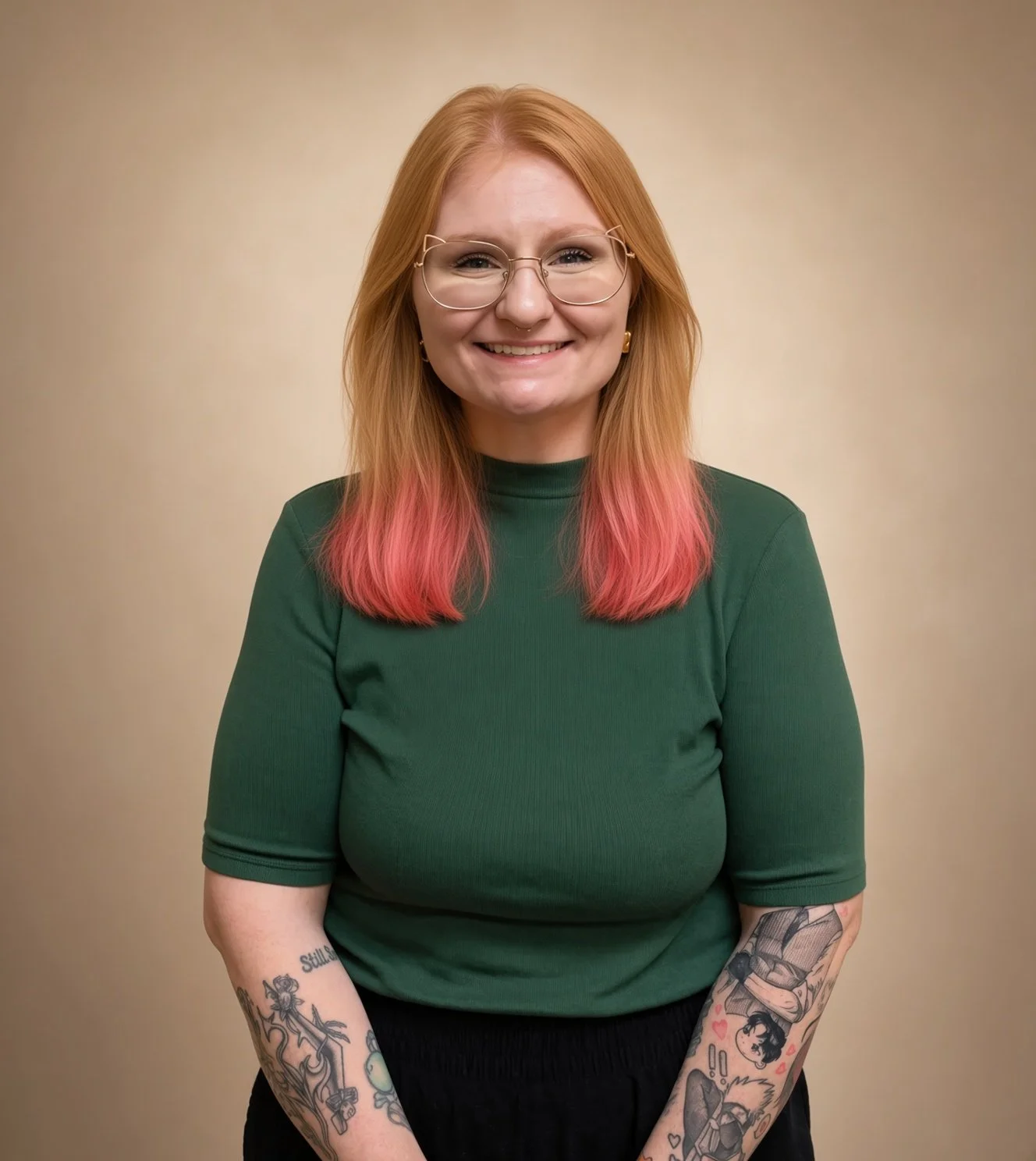
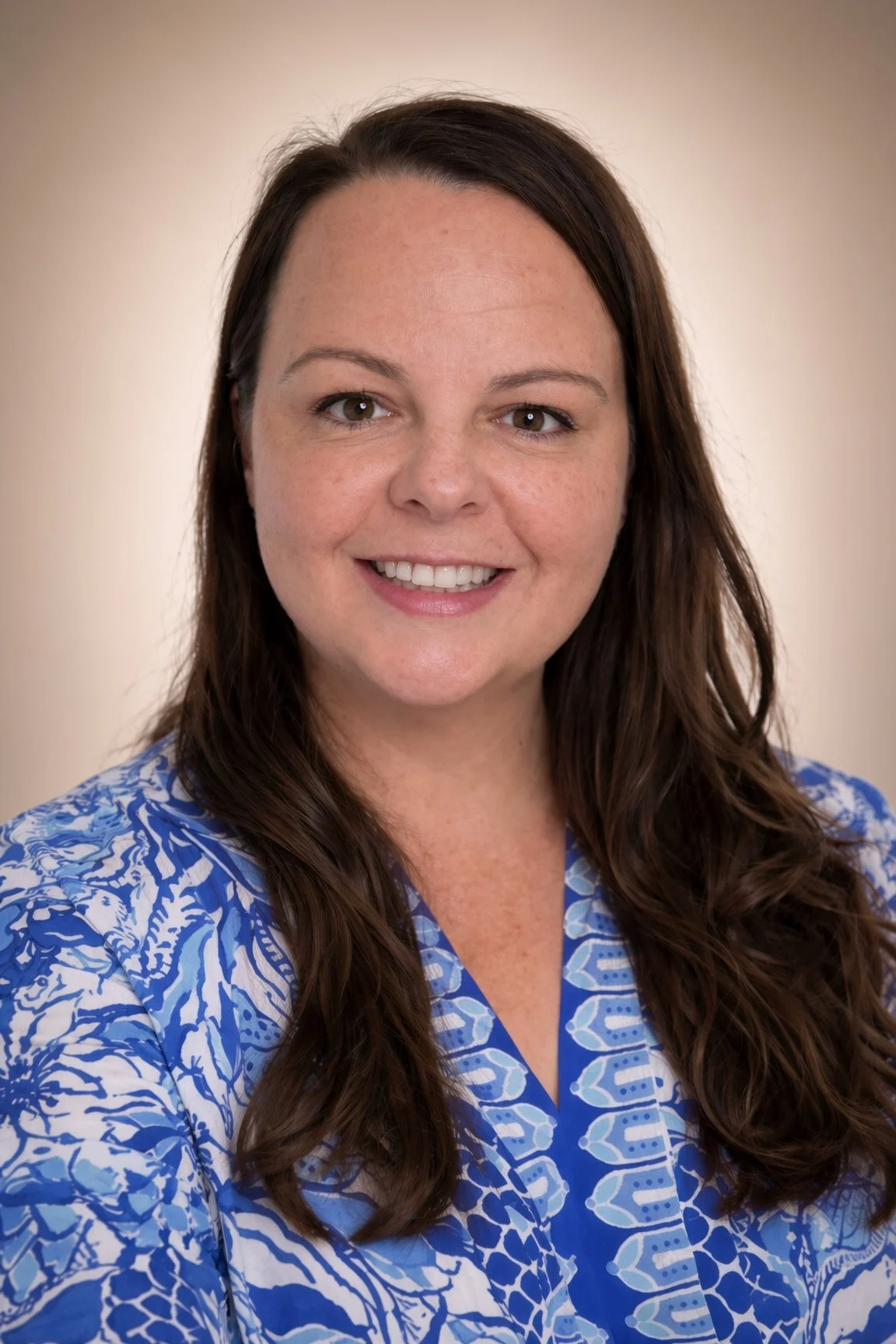
Andrea Sullivan, Post-Graduate Registered Mental Health Counselor Intern
Trained in DBT | Motivational Interviewing | Cognitive Behavioral Therapy | Extensive Substance Abuse Treatment Experience
-
![]()
Julianna Short, LMHC
Trained in Brain Spotting | Relational & Attachment-Focused Therapy | Cognitive Behavioral Therapy
-
![]()
Cynthia Borockzy, Student Intern
Trained in Schema Therapy | Cognitive Behavioral Therapy | Motivational Interviewing
-
![]()
Bryn, ESA
Mom’s Emotional Support | Thinks he is Head of Security | Not Above Begging for “Snackies”
-
![]()
Blair, ESA
Eating things I am not Supposed to | Lots of Kisses & Face Licks | Tiny but Full of Love
-
![]()
Bowie, ESA
Snuggles & Naps | Squeaky but Assertive Barks | Fluffiest little Man in Town





Questions?
FAQs
-
Finding the right therapist is like dating. Sometimes you have to go on some bad dates to get to the one good one. While we’d like to think we are all “great dates,” there is a lot to be said about reading about each provider and choosing the one who really speaks to you. The number one predictor of if therapy will work for you is your relationship with your therapist. And, sometimes we do need to take a little bit of time to get to know each other and feel less awkward and more comfortable working together.
-
You don’t need to know which approach is best before starting — that’s our job. Your therapist will talk with you about your struggles, goals, and what you’re hoping to change, then recommend the approach or combination of approaches that fits your needs best.
-
Not necessarily. While some patients benefit from one primary approach, others do best with an integrated style that blends methods such as DBT, RO-DBT, Schema Therapy, CBT, EMDR, Brainspotting, or Motivational Interviewing. Each therapist on our team brings different training, specialties, and clinical strengths, so treatment can be tailored to your specific needs, patterns, and goals in a way that feels practical, structured, and doable in daily life.
-
Our therapists bring a range of advanced trainings, specialties, and clinical approaches to their work, including DBT, RO-DBT, Schema Therapy, CBT, EMDR, Brainspotting, and Motivational Interviewing. Across the team, we use evidence-based, relational, and attachment-informed care to help patients move beyond symptom management and understand the deeper patterns shaping their emotions, relationships, and self-worth.
Because each therapist has different areas of focus, training backgrounds, and clinical styles, we encourage you to view each provider’s profile below to learn more about their specific specialties and approach. This can help you choose the therapist who feels most aligned with your needs, goals, and personality.