Clinical Supervision
Qualified Supervisor providing 100% remote supervision for Registered Clinical Social Work Interns pursuing licensure in Florida!
My supervision model is a blend of Developmental Models and Psychodynamic / Reflective Supervision. I adapt my level of structure, guidance, and feedback based on each supervisee’s stage of professional growth while also creating space to explore the relational, emotional, and interpersonal dynamics that emerge in clinical work. This approach supports both skill development and deeper self-awareness, helping clinicians strengthen clinical judgment, tolerate uncertainty, recognize parallel process and countertransference, and develop a more authentic and grounded therapeutic presence.

You deserve to feel authentic & competent in the work you do, and quality supervision can help you do that.
I believe…
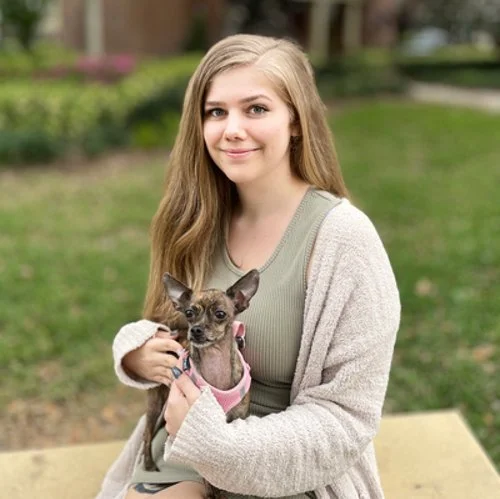
hi, I’m Zoe!
My approach
I have over two years of experience supervising student interns in both generalist and clinical roles within hospital, community mental health, and private practice settings. I’m deeply committed to providing thoughtful, supportive supervision that balances skill development, ethical practice, and professional confidence.
Most importantly, I remember what it felt like to be an intern myself—trying to learn everything at once, supervisors who either micromanaged or weren’t there at all, and constantly feeling like an imposter. My goal is for interns to feel supported, encouraged, and safe to ask questions, not intimidated or afraid of supervision. I strive to create an environment where you can be honest about uncertainty, talk through mistakes without shame, and grow your confidence as a developing clinician.
I view supervision as a collaborative relationship grounded in curiosity, transparency, and accountability, with an emphasis on helping clinicians understand the why behind their clinical decisions. My approach is structured but approachable, and I aim to help interns build real-world clinical skills while also feeling genuinely supported as they step into the field.
My supervision model focuses on:
• Developing strong clinical judgment and ethical decision-making
• Building confidence through structured feedback and consistent support
• Strengthening documentation, boundaries, and professional identity
• Integrating theory, lived experience, and real-world clinical practice
My goal is to provide supervision that is clear, supportive, and grounded in practical application, preparing interns to grow into confident, competent clinicians.
Things we’ll work on
Balance
I believe effective supervision requires balance—between structure and flexibility, direct guidance and reflective exploration, challenge and compassion. My supervision style blends developmental and reflective supervision models, meaning I adjust my approach based on the supervisee’s stage of growth while also making space for the emotional and relational dynamics that arise in clinical work.
Competency
Competency is built through intentional practice, feedback, reflection, and a willingness to keep learning. For newer clinicians, I provide more structure, modeling, and direct support with documentation, diagnosis, treatment planning, risk assessment, boundaries, and ethics. As supervisees grow, I shift toward a more collaborative and consultative approach that supports stronger case conceptualization, clinical judgment, and professional autonomy.
Ethics
Ethical practice is the foundation of meaningful clinical work. I prioritize clear boundaries, informed consent, scope of practice, risk assessment, documentation, and thoughtful decision-making, especially when working with complex or high-risk presentations. Ethics are not just rules to follow, but values that guide every clinical choice.
Self-Trust
Strong clinical work requires supervisees to develop trust in their own clinical reasoning, instincts, and professional voice. I support clinicians in tolerating uncertainty, reflecting on countertransference, recognizing parallel process, and making decisions grounded in clinical judgment rather than fear, avoidance, or over-reliance on manuals.
Preparation
Preparation creates safety and confidence. Whether reviewing cases, documentation, risk concerns, treatment plans, or therapist responses, I value coming prepared with intention, curiosity, and a clear sense of purpose. Thoughtful preparation allows supervision to be focused, clinically useful, and responsive to what matters most.
Authenticity
Authenticity means showing up honestly and fully, without pretense. I believe meaningful supervision happens when clinicians feel safe enough to be genuine, imperfect, curious, and human. Reflective supervision creates space to explore emotional reactions, attachment dynamics, relational patterns, and the therapist’s use of self so clinicians can grow with both skill and integrity.
Frequently asked questions
-
Populations I Work With
I work primarily with adolescents and women in an outpatient mental health setting. Much of my clinical work focuses on individuals with histories of trauma, eating disorders, and borderline personality disorder (BPD), as well as clients experiencing chronic emotional dysregulation, relationship instability, identity concerns, and difficulty managing intense emotions.
I frequently work with clients who present with complex, overlapping concerns and benefit from structured, skills-based treatment combined with a strong therapeutic relationship.
Treatment Approach
My clinical approach is trauma-informed and grounded in evidence-based practices, while remaining relational, approachable, and conversational rather than clinical or rigid. I am trained in Dialectical Behavior Therapy (DBT), Radically Open DBT (RO-DBT), Schema Therapy, and Eye Movement Desensitization and Reprocessing (EMDR). Treatment often focuses on emotional regulation, interpersonal effectiveness, distress tolerance, trauma processing, and identifying and changing long-standing maladaptive patterns.
I emphasize clear treatment planning, consistent structure, and collaboration, while tailoring care to each client’s developmental stage, readiness, and individual goals.
What I Offer as a Supervisor
As a supervisor, I bring particular strength in supporting clinicians who work with high-acuity and complex populations. I provide guidance in treating trauma, eating disorders, and personality disorders within an outpatient setting, with strong emphasis on risk assessment, boundaries, documentation, and scope of practice.
I am especially well-suited to supervise interns and early-career clinicians who want to build confidence working with emotionally intense presentations, learn to apply structured treatment models in real-world practice, and develop sound clinical judgment. Supervision focuses not only on interventions, but on case conceptualization, treatment planning, ethical decision-making, and therapist self-awareness.
My goal in supervision is to help clinicians feel grounded, competent, and supported while doing challenging work—so they can provide effective care without burning out.
-
Supervisees are expected to:
• Arrive to supervision sessions prepared, on time, and ready to engage thoughtfully
• Bring cases, questions, and reflections to supervision rather than relying solely on directive guidance
• Practice within their current scope of training and licensure at all times
• Seek consultation promptly when encountering ethical concerns, risk issues, or clinical uncertainty
• Complete documentation accurately, timely, and in accordance with professional and regulatory standards (within 48 hours)
• Be open to feedback, self-reflection, and clinical growth, including addressing areas for improvement
• Maintain appropriate professional boundaries with clients, colleagues, and supervisors
• Communicate openly and respectfully regarding challenges, workload, scheduling, or concerns
• Adhere to all applicable Florida Board requirements, school requirements (if applicable), and practice policies
• Conduct all telehealth sessions and supervision activities from private, secure locations to ensure client confidentiality and HIPAA compliance
• Use only approved, secure technology platforms and safeguard all protected health information (PHI) from unauthorized access, including ensuring no individuals can overhear or view sessionsSupervision is intended to be a space for learning, development, and accountability. While mistakes are expected as part of growth, honesty, responsibility, and a willingness to learn are essential. The goal of supervision is to support supervisees in developing sound clinical judgment, ethical decision-making, and a sustainable professional identity within an ethical, compliant telehealth practice.
-
Registered Intern Supervision
Supervision for Registered Clinical Social Work Interns is offered at a rate of $125 per supervision hour. This includes structured, individualized supervision focused on clinical development, ethical practice, and professional growth.Registered interns who are employed by Therapy by the Bay receive supervision at no cost as part of their role within the practice.
Student Intern Supervision
Supervision for graduate-level student interns is provided at no cost. Student internship positions are unpaid, and availability is limited due to the level of training, oversight, and support required. Placement decisions are made thoughtfully to ensure a high-quality learning experience for both the intern and the practice.All supervision is provided in accordance with Florida board requirements and emphasizes supportive, intentional development at each stage of training.