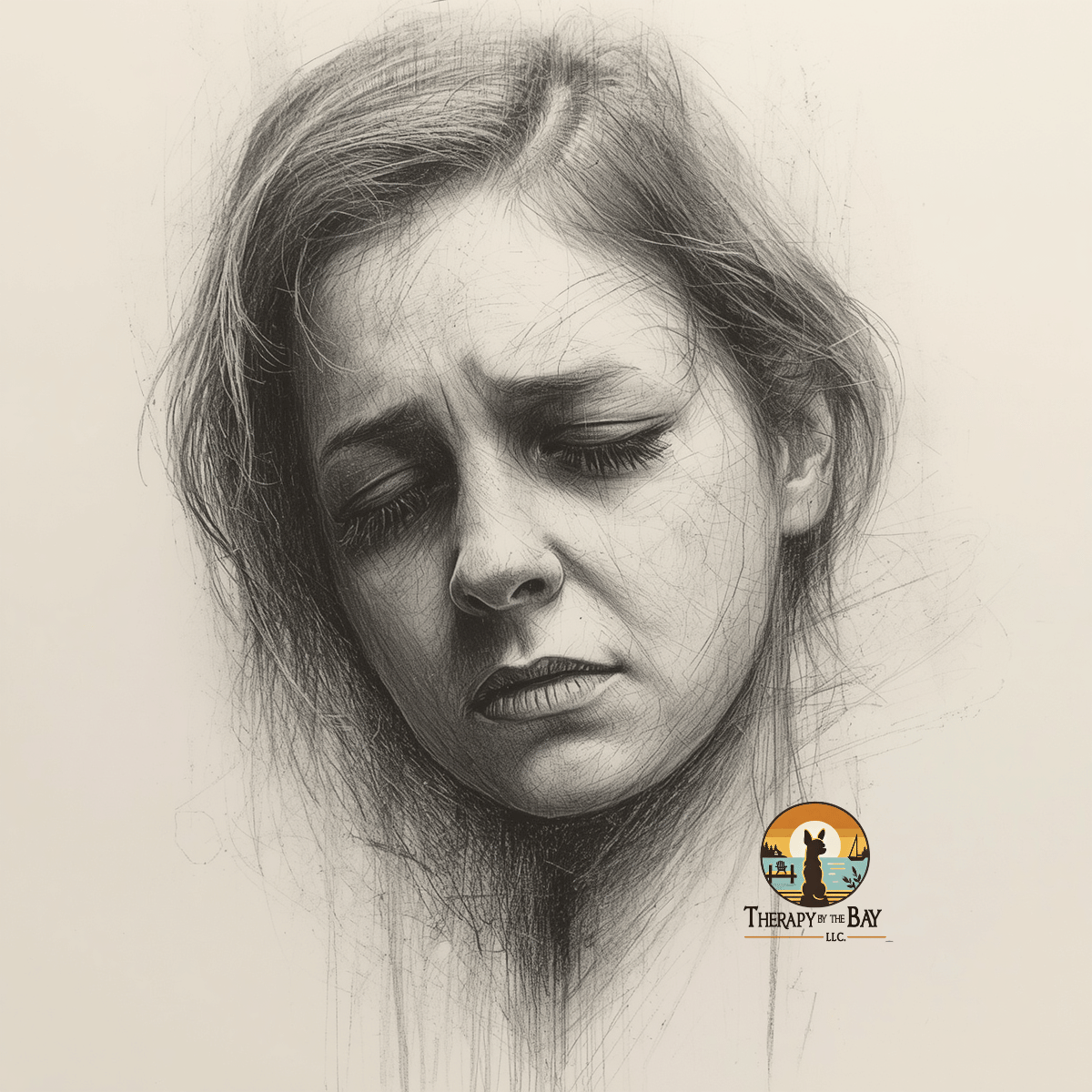
"You Know They Didn't Have Grief Counseling in the Bronx"—And That's Not the Flex We Think It Is
If you've spent any time on social media recently, you've likely come across the image with the caption, "You know they didn't have grief counseling in the Bronx." The quote, attributed to musician Dion DiMucci, is often shared as a badge of resilience—a reminder that previous generations experienced tremendous hardship without therapists, grief groups, or mental health professionals.
At first glance, it's easy to nod along. Many of us grew up hearing similar messages: Be strong. Keep busy. Don't dwell on it. Life goes on.
But there's a problem.
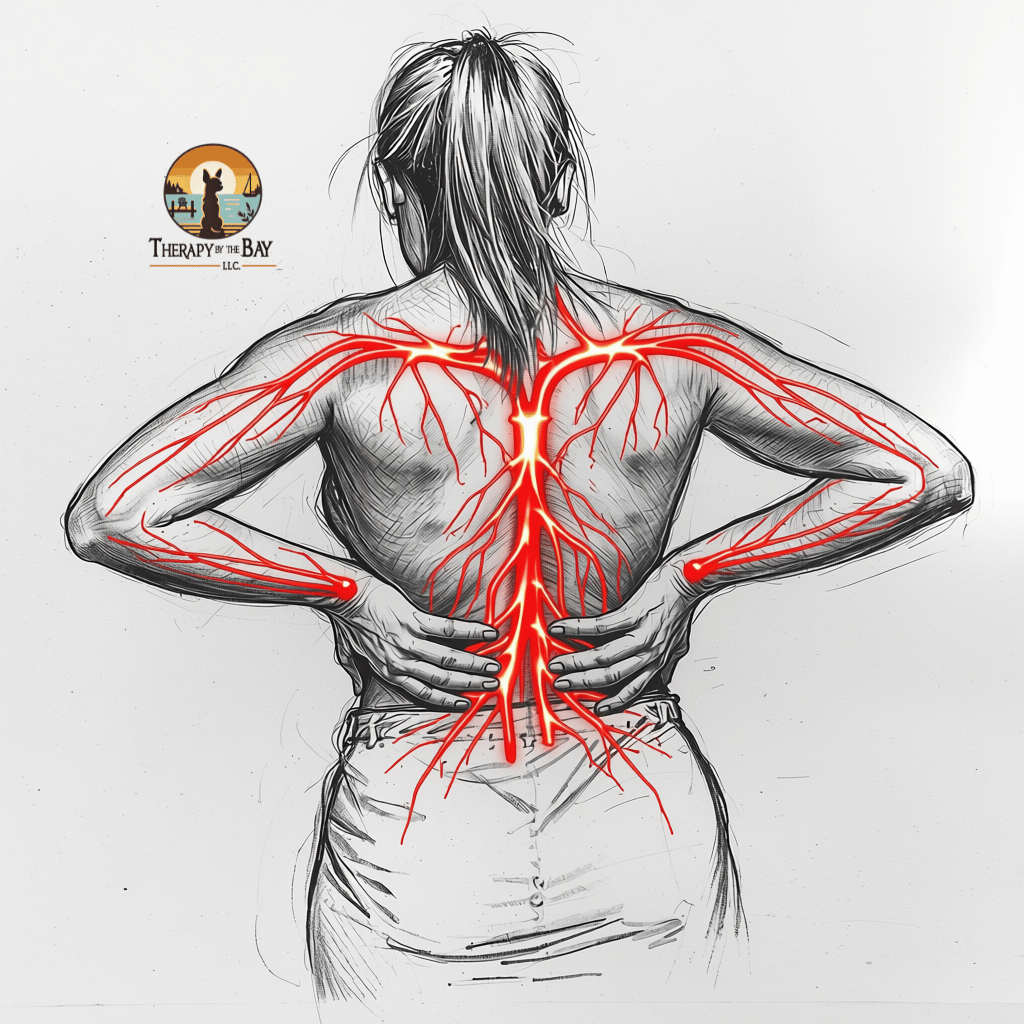
Understanding Trauma-Informed Care: Why It Matters for Mental and Physical Health
Trauma affects millions of people across the lifespan and can result from experiences such as abuse, neglect, violence, accidents, natural disasters, discrimination, or the sudden loss of a loved one. While many people associate trauma with mental health conditions like anxiety or post-traumatic stress disorder (PTSD), research has shown that trauma can also have significant effects on physical health. A trauma-informed approach recognizes these connections and provides care that promotes healing while minimizing the risk of retraumatization.
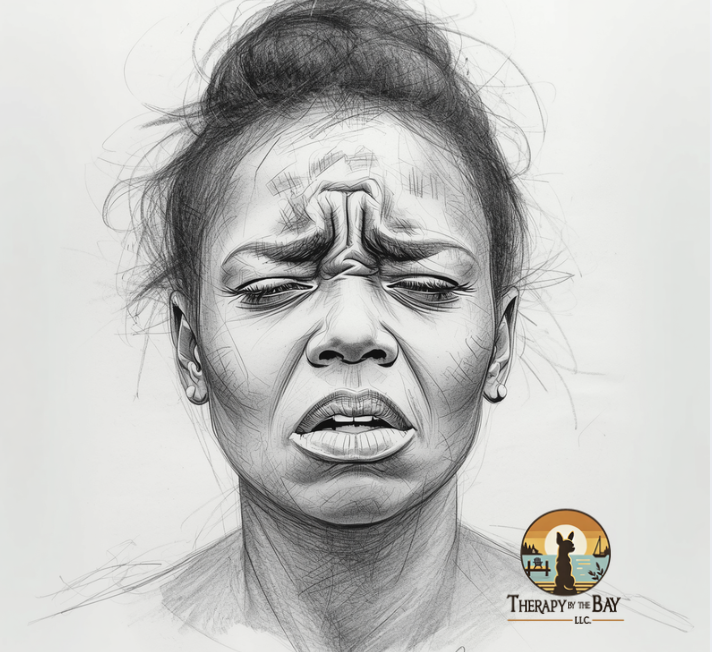
Have You Ever Felt Like Your Emotions Were Too Overwhelming to Control?
Have you ever felt like your emotions became so overwhelming that they affected your relationships, decision-making, or ability to get through the day? Many people experience intense emotions during stressful periods, and sometimes it can feel difficult to know how to respond in healthy ways. Dialectical Behavior Therapy (DBT) is an evidence-based therapy that teaches practical skills to help people manage emotions, cope with distress, improve relationships, and live more balanced, meaningful lives.
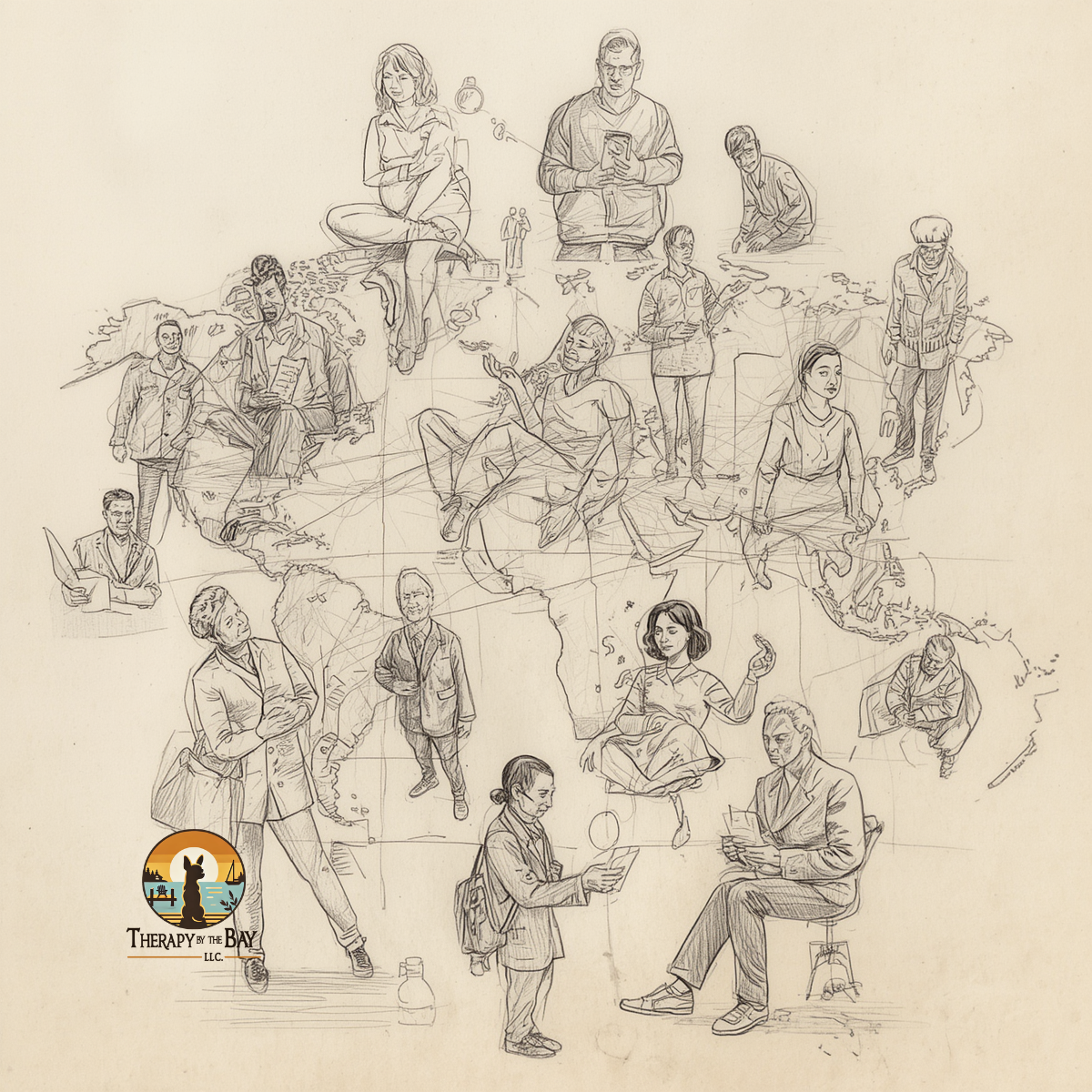
Mental Health Care Across Borders: A Comparison of Access in the U.S. and Around the World
Compare mental health care access in the United States with systems in the UK, Canada, Europe, and beyond. Learn how cost, insurance, wait times, provider shortages, universal coverage, and stigma shape treatment worldwide—and why the future of mental health care must combine affordability, access, specialization, and timely support across urban, rural, and underserved communities in every region.
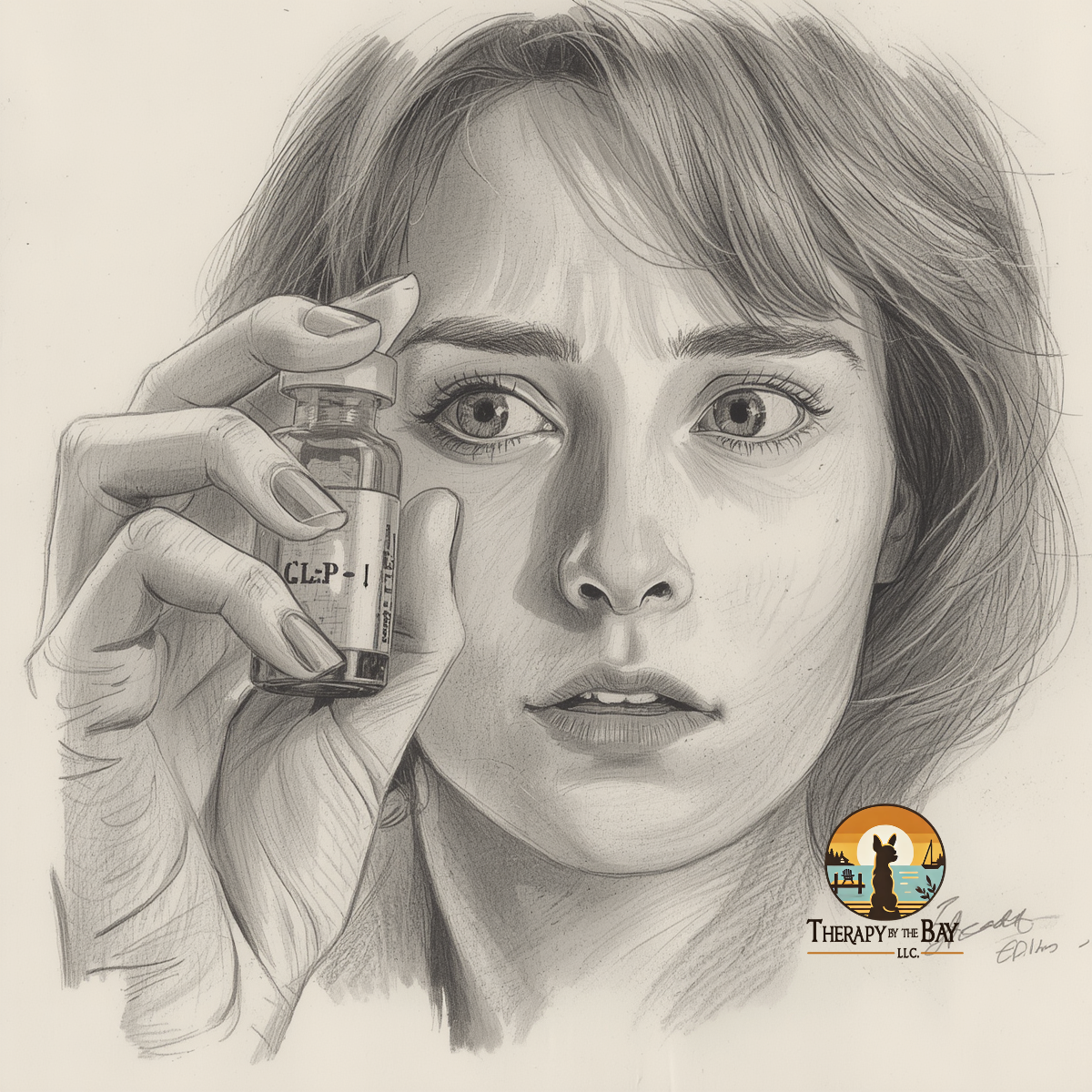
When Weight Loss Becomes the Standard Again: GLP-1 Medications, Eating Disorders, and the Women Being Left Behind
Explore how GLP-1 medications such as semaglutide and tirzepatide are reshaping women’s body image, eating disorder recovery, and access to care. This trauma-informed article examines renewed pressure to be thin, risks for women with disordered eating, socioeconomic disparities, and why mental health screening must remain central to weight-loss treatment. Learn how compassionate care can reduce real harm.
Levels of Care: What’s the Difference?
When you or someone you love is struggling with mental health or substance use, one of the first questions that comes up is, “What kind of help do we actually need?” You may hear terms like outpatient, IOP, PHP, residential treatment, or inpatient hospitalization and feel completely overwhelmed. These phrases can sound clinical and intimidating, especially during an already stressful time. Understanding the different levels of care can make the process feel less confusing and more manageable. Each level exists to provide a different intensity of support, depending on what someone is experiencing. Needing more support is not a failure. It simply means you deserve care that matches your current needs.
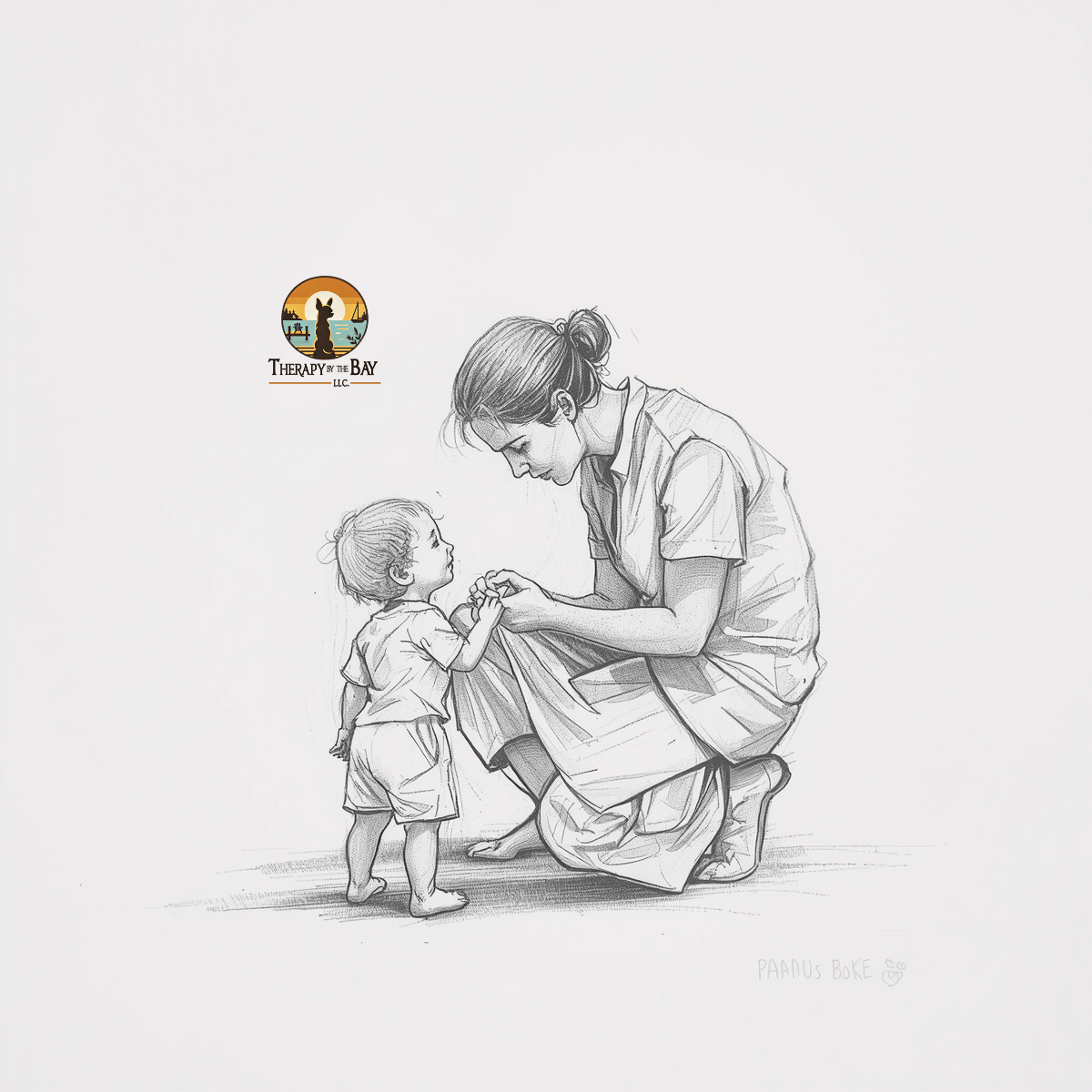
Schema Therapy: Understanding Patterns, Building Compassion, and Creating Change
In a trauma-informed practice, many clients are not only seeking relief from symptoms, but also searching for a deeper understanding of themselves. They want to know why certain patterns keep repeating, why some reactions feel so intense, and why it can feel so hard to change even when they are trying. Schema therapy offers a compassionate and practical framework for making sense of these questions.
Rather than focusing only on surface-level symptoms, schema therapy helps uncover long-standing emotional patterns that often began early in life and were shaped by difficult or unmet experiences. When explained in accessible language, it can become a powerful tool for helping women understand themselves with greater clarity, self-compassion, and hope.

Helping Children Heal: Understanding Trauma, Play Therapy, and the Power of Caregiver Support
When children experience trauma, they often do not have the language to explain what they are feeling. Instead, distress may show up through behavior changes, emotional outbursts, withdrawal, sleep difficulties, or regression. Play therapy offers a developmentally appropriate way for children to communicate, process difficult experiences, and build coping skills. Caregiver support is also a central part of healing, as safe and consistent relationships help children regain a sense of stability, trust, and emotional security.
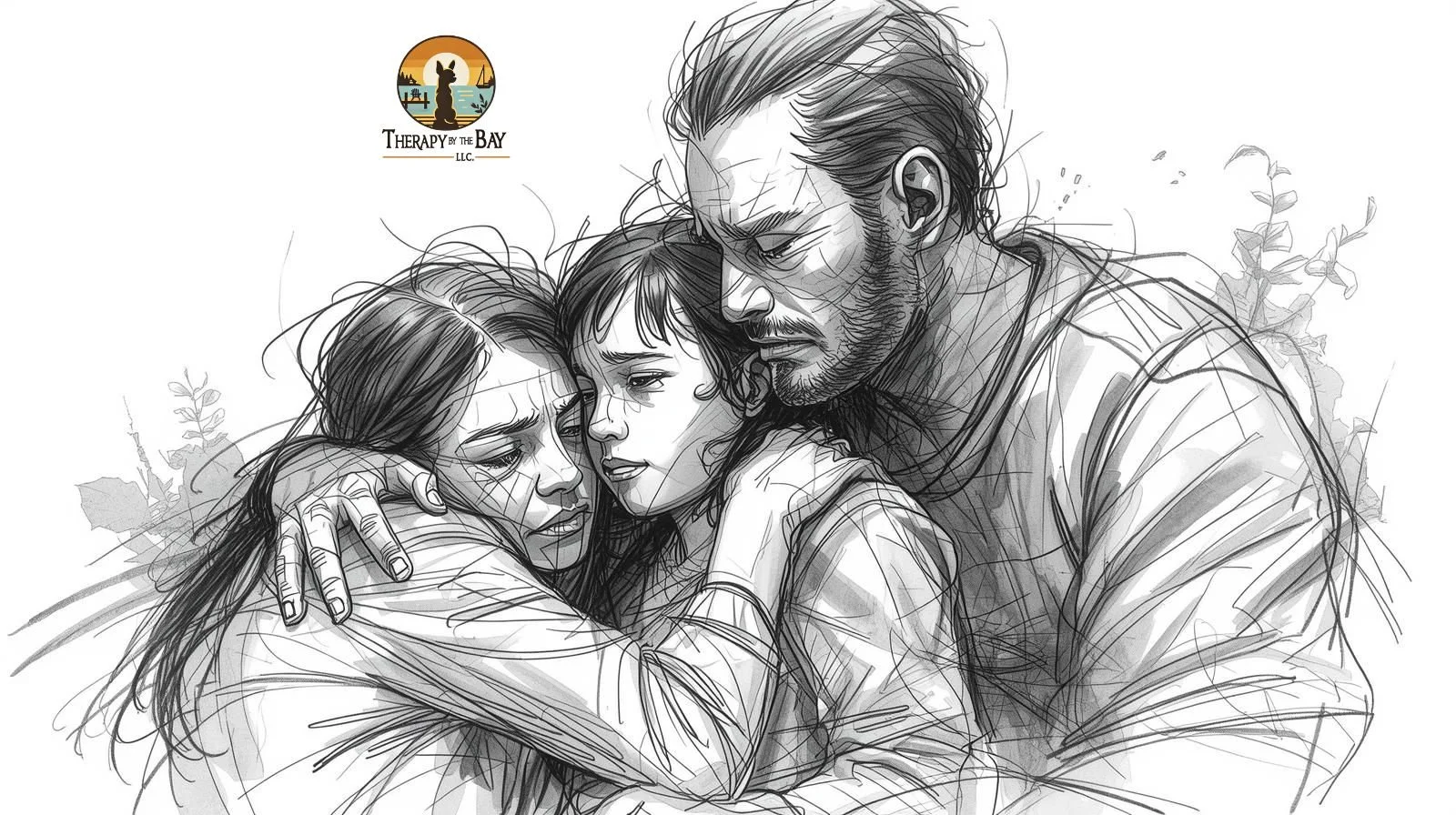
Traumatic Grief: When Loss and Trauma Occur Together
Grief is already one of the most painful human experiences. But when a loss is sudden, violent, or deeply distressing, grief can become something even more complex—what we call traumatic grief.
For many women, traumatic grief doesn’t just live in the heart. It shows up in the body, in thoughts, in relationships, and in the quiet (or loud) expectations placed on them to keep going, keep caring, and keep holding everything together.
If you’ve experienced this kind of loss, it’s important to know: your response makes sense.
Misdiagnosed? Borderline Personality Disorder vs. Complex PTSD: How to Tell the Difference
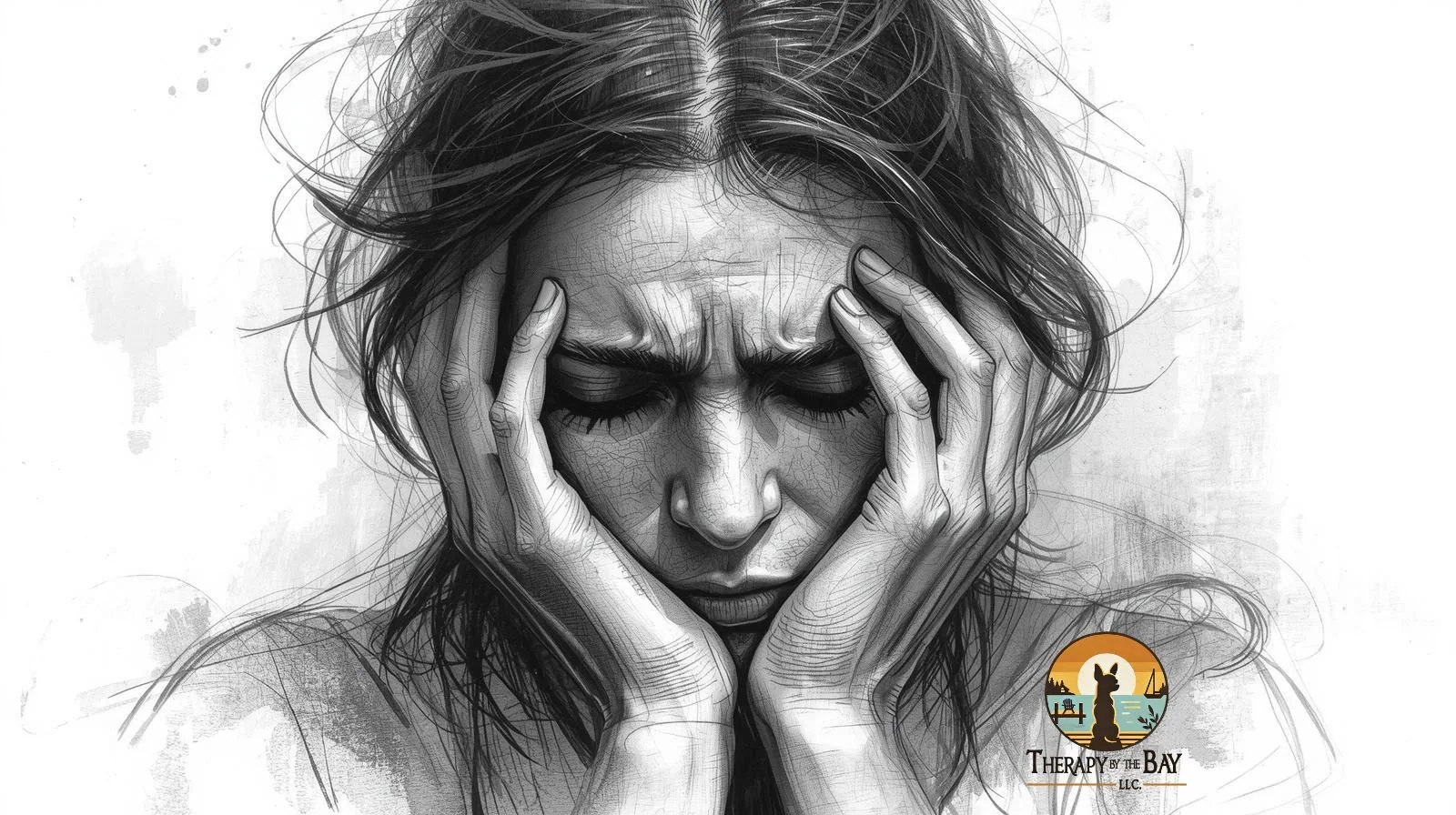
Many people who struggle with intense emotions, relationship difficulties, and chronic shame are told they may have Borderline Personality Disorder (BPD). However, for some individuals, these symptoms may actually reflect Complex Post-Traumatic Stress Disorder (C-PTSD)—a condition caused by prolonged or repeated trauma. Although BPD and Complex PTSD share several overlapping symptoms, they are distinct clinical constructs that require different treatment approaches.

Understanding Eating Disorders: Signs, Stigma, and Support
Eating disorders are serious mental health conditions that affect millions of individuals worldwide. Despite increasing awareness, many people still misunderstand these disorders or assume they are simply unhealthy eating habits. In reality, eating disorders involve complex emotional, psychological, and physiological processes that require compassion, education, and professional intervention. Understanding the different types of eating disorders, their presentations, and treatment approaches can help reduce stigma and support earlier intervention.

Understanding Borderline Personality Disorder in Young Women: Symptoms, Causes, and Paths to Healing
Borderline personality disorder (BPD) is often misunderstood, and many young women who experience it carry unnecessary shame or stigma. In reality, BPD is a mental health condition rooted in emotional pain, identity struggles, and difficulties regulating intense feelings. With compassionate, trauma-informed care and evidence-based therapy, many individuals with BPD learn to build stability, healthier relationships, and a stronger sense of self.
When Trauma Sits in the Classroom: Understanding PTSD in Teens and Its Lifelong Impact
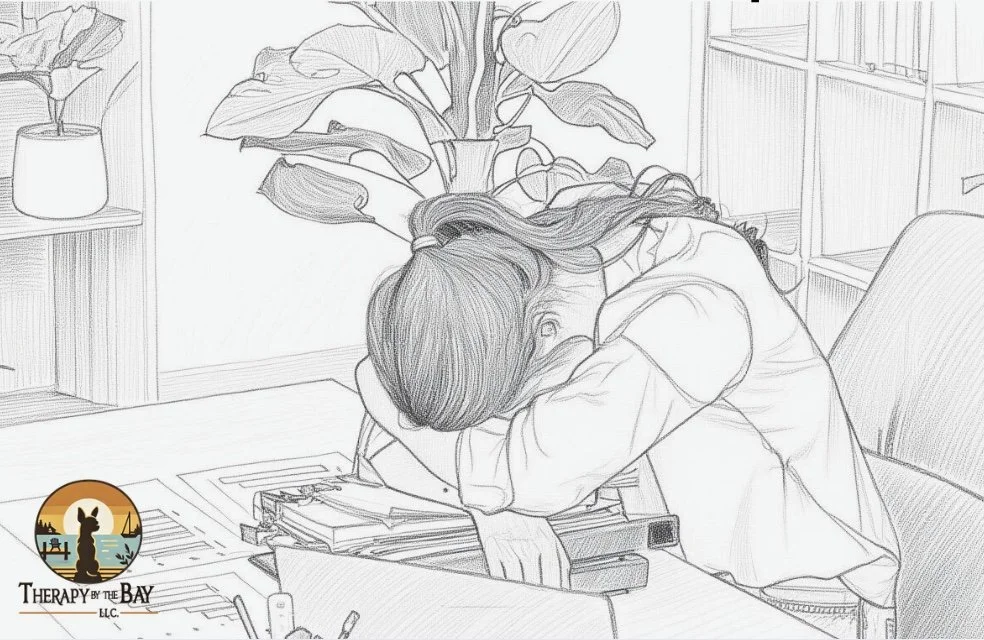
In schools, we often notice the academic or behavioral changes before we understand the story behind them. A student who once participated regularly begins withdrawing. Another becomes easily irritated or reactive during minor peer conflict. A teen who previously managed assignments well suddenly stops turning in work. While these shifts may appear defiant or unmotivated on the surface, they can sometimes reflect symptoms of Post-Traumatic Stress Disorder (PTSD).